Why Does My Fireplace Smell in Summer? What That Smoky Odor Is Telling You
It is August in Arlington, the fireplace has been cold since February, and the living room smells like a wet campfire. Here is where fireplace smells in summer come from, the simple steps that help today, and the fix that makes the odor go away for good.
It is a humid August afternoon in Arlington. The air conditioner has been running since May, nobody has lit the fireplace since February, and yet the living room smells like a wet campfire every time you walk in. “Why does my fireplace smell in summer” is one of the most common calls Crownline Chimney Sweep takes between June and September, from the 1950s brick homes near UTA to the two-story houses off Matlock Road.
The short answer: the smell is creosote and soot inside your chimney, summer humidity wakes it up, and your air conditioner pulls it into the room. The fix is a chimney sweep that removes the buildup, plus a cap or damper that stops the downdraft. Crownline’s first-visit sweep in Arlington is $109 with a Level 1 inspection and a photo report (regular $229). Here is what is going on inside the flue, and what you can do today.
Fireplace Smells in Summer Start With Creosote
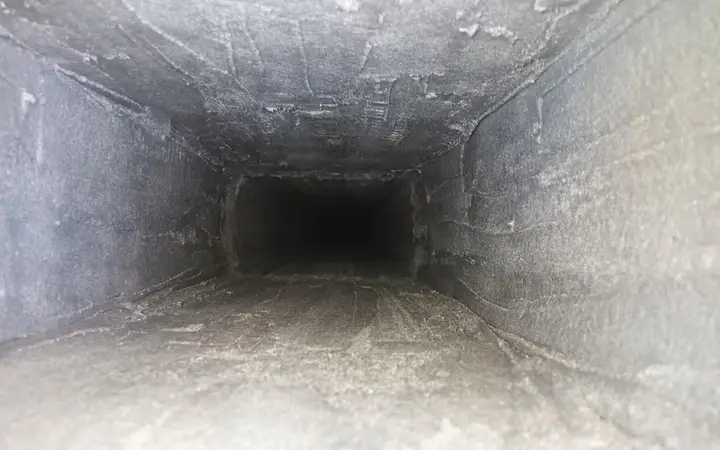
Every wood fire leaves a coating on the inside of the flue. Smoke cools as it rises, and the tar in it sticks to the flue liner, the smoke chamber and the smoke shelf behind the damper. That coating is creosote. Mixed in with it is plain soot. Both hold the smell of every fire you have ever burned.
In winter that smell leaves the house with the smoke. A hot fire pushes air up and out the top of the chimney. In the warmer months the chimney sits cold, and the creosote sits there too. Nothing has changed inside the flue. What changes is the air around it.
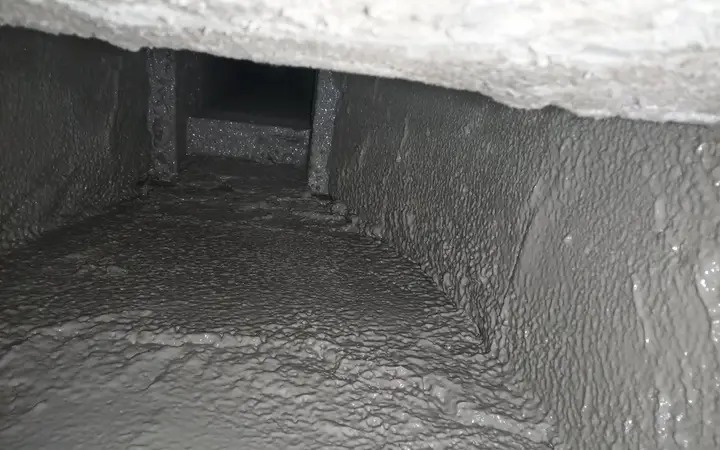
If you want to see what your chimney looks like inside, our creosote removal page has photos of the three stages, from light soot to the shiny, tar-like glaze that smells the strongest.
Why Humid Weather Makes the Odor Worse
North Texas summers are humid. When moist air moves through the flue, the creosote absorbs it. Wet creosote smells far stronger than dry creosote, the same way a cold campfire pit smells worse after rain. That is why the odor peaks on sticky afternoons and after a summer thunderstorm.
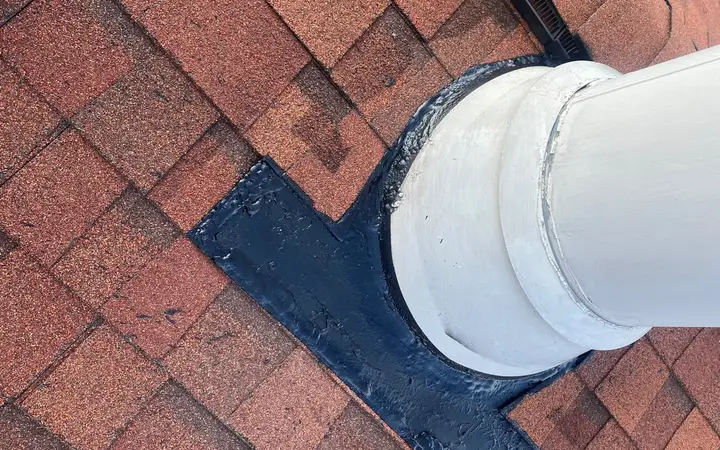
Rain makes it worse in two ways. A chimney with no cap lets rain fall straight down the flue onto the smoke shelf, where it soaks into years of soot. A chimney with a cracked crown or leaking flashing lets water into the brick and mortar, and damp masonry adds a musty, mildew smell on top of the smoky one. If the odor in your home is more musty than smoky, water is probably part of the problem, and our post on chimney leaks when it rains explains where to look.
Your Air Conditioner Is Pulling the Smell Into the Room
The chimney is an open pipe from the roof to the living room. In summer, the air in the flue is warmer than the air-conditioned air in the house, so it wants to sink. Add a kitchen exhaust fan, bathroom fans, a dryer running in the laundry room, and a tightly sealed house, and the house is under negative pressure. It pulls replacement air from the easiest opening it can find, and that opening is the chimney.
That downdraft carries the creosote odor straight through the firebox and into the room. It is strongest when:
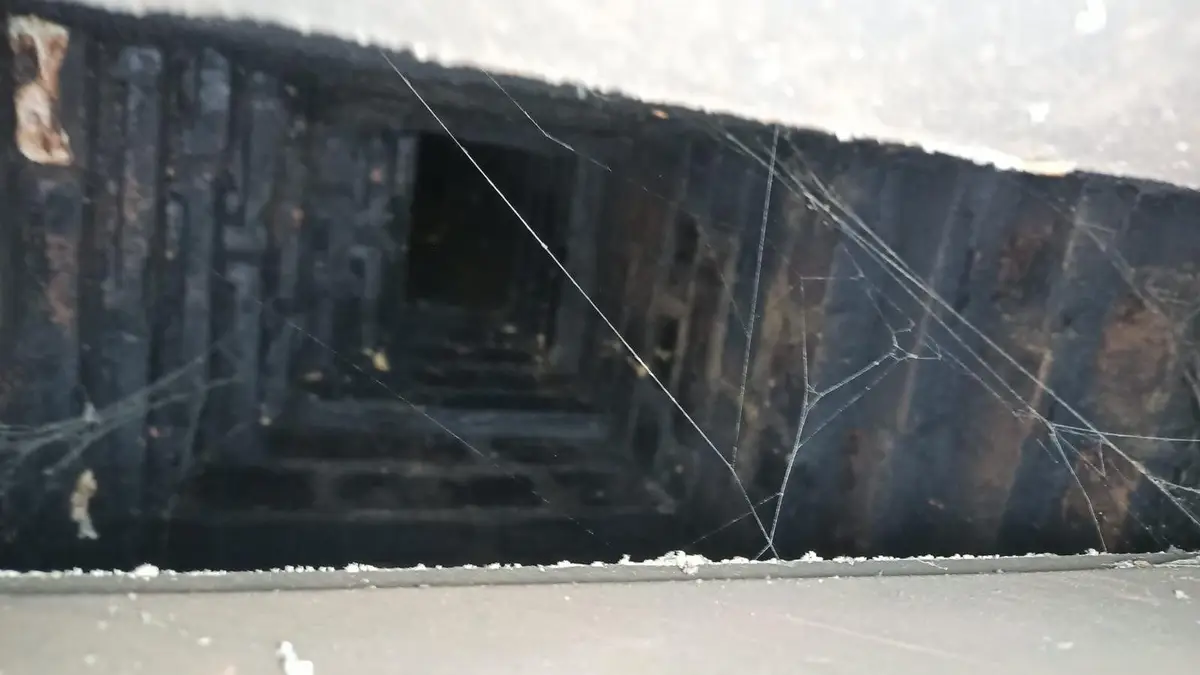
- The damper is open or does not close all the way. Most throat dampers in Arlington’s 1960s to 1980s brick chimneys are warped or rusted and leave a gap.
- The kitchen exhaust fan or dryer is running.
- The house has new windows and doors, so there is no other place for air to come in.
- There is no cap on the top of the chimney, so wind pushes air down the flue.
Simple Steps You Can Take Today
These will not remove the smell, but they will cut it while you wait for a cleaning.
- Close the damper. Shine a flashlight up past the firebox and check that it seals. If light shows around it or it will not move, the damper needs repair.
- Close the glass doors if you have them. They are not airtight, but they slow the airflow.
- Crack a window on the far side of the house when the kitchen exhaust fan or the dryer runs. That gives the house a place to pull air from that is not the chimney.
- Clean out the firebox. Shovel out old ash and burned wood. Ash holds moisture and odor.
- Skip the deodorizer sprays and scented logs. They cover the smell for an hour and do nothing for the creosote.
If the damper is the weak point, a top-sealing damper is a good long-term answer. It sits at the top of the chimney, closes with a rubber gasket, and doubles as a cap. Our damper repair page covers both throat and top-sealing options.
The Fix That Makes Fireplace Odors Go Away
A professional cleaning removes the source. On a chimney sweep in Arlington, our crew lays drop cloths, seals the firebox, runs a HEPA vacuum the whole time, and brushes the flue, the smoke chamber, the smoke shelf and the damper. We put a camera up the flue before and after so you can see the difference. The first visit is $109 and includes a Level 1 inspection and a photo report (regular $229).
The inspection matters because the smell often has a second cause. On summer odor calls in Arlington we regularly find:
- A missing or rusted chimney cap. Rain, leaves and animals come straight in. A chimney cap stops the rain and most of the downdraft, and custom caps are 10% off.
- A nest or a dead animal. A critter that fell down an uncapped flue in spring smells very different from creosote by July. See animal removal if the odor is sharp and rotten rather than smoky. Chimney swifts are protected, so an active nest waits until the birds leave.
- A cracked crown or missing mortar. Water gets into the masonry and the musty smell stays until the leak is fixed.
- Glazed creosote. If the flue has the shiny stage 3 glaze, brushes slide over it. That takes a separate treatment, and we quote it in writing after you see the photo.
The photo report shows you which of these you have, and the price for any repair is in writing before anyone goes back on the roof. Seniors, veterans and first responders get 10% off, one discount per job.
Keep the Smell From Coming Back Next Summer
Three habits keep an Arlington chimney from smelling in the warmer months:
- Burn dry wood. Wet wood makes more smoke and more creosote. The EPA Burn Wise program has a plain guide on seasoning firewood and burning cleaner.
- Sweep once a year. A fall chimney cleaning takes out the winter’s creosote before the first humid day. Fall slots in Arlington fill fast once the first cold front hits in late October, so book early.
- Cap the chimney and fix the damper. Together they keep rain out and stop the downdraft that carries the odor into the room.
Crownline Chimney Sweep is based at 700 Highlander Blvd near the Parks Mall and I-20, with a local crew that has worked on Arlington homes for more than 20 years. We are insured and bonded, and the price is in writing before we start. If you are not sure which chimney service in Arlington you need, start with the $109 sweep and inspection and let the camera decide.
Tired of a living room that smells like a campfire? Call Crownline at (817) 505-4222 and book your $109 chimney sweep and inspection today.
Why Arlington Homeowners Trust Crownline Chimney Sweep
Crownline Chimney Sweep is a chimney and fireplace company based in Arlington, TX.
- Insured & Bonded: Your home is covered while we work
- Locally Owned: Based in Arlington, TX, not a chain
- 20+ Years: More than 20 years working on Arlington homes
- Free Repair Estimates: Written price before any repair, and 10% off for seniors, veterans and first responders
Read more about our chimney services in Arlington or about our team.