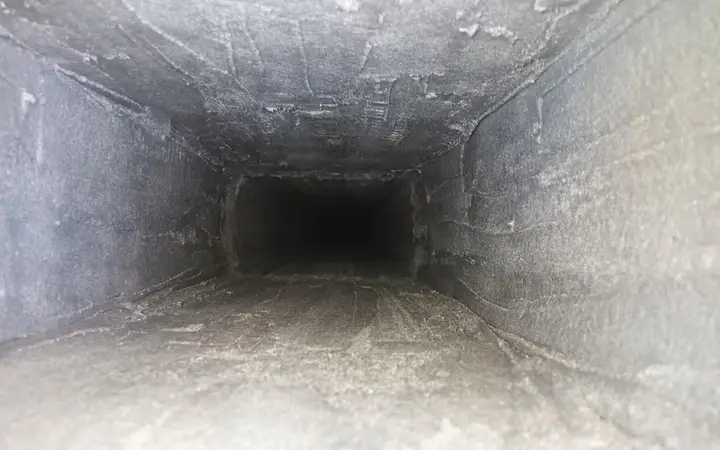
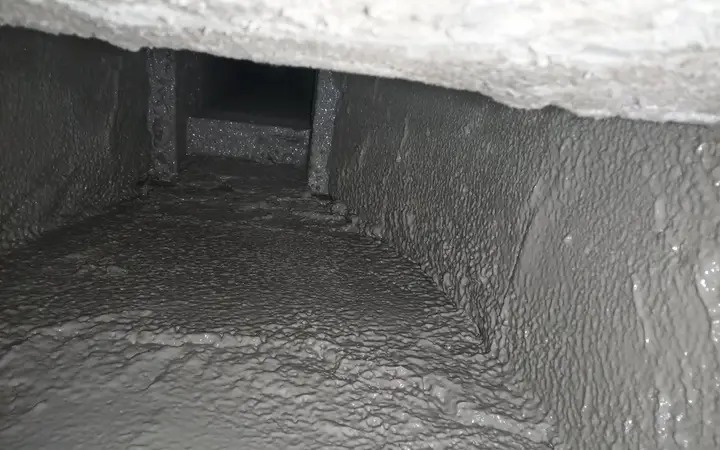
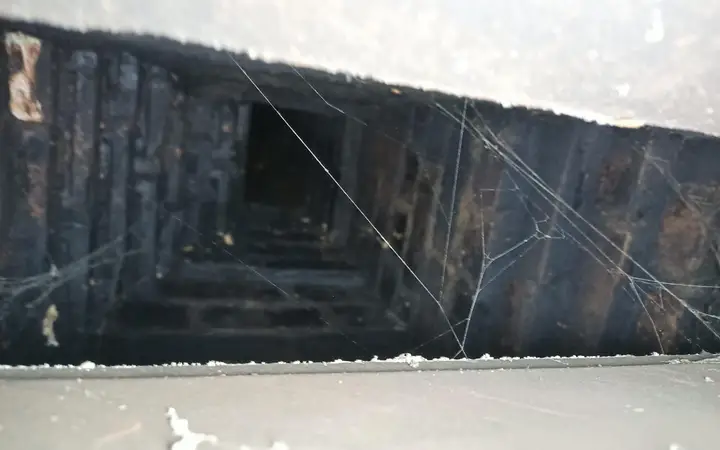
Chimney Leaking When It Rains? How to Tell if It Is the Crown, Cap, Flashing or Brick
A Texas spring storm rolls through Arlington and water shows up on the ceiling next to the fireplace, or drips into the firebox. Here is how to read where the water is getting in, what each fix involves, and what to know before you call your insurance company.
It is a spring evening in Arlington. A storm line rolls in off I-20, the wind picks up, and soon there is a brown ring on the ceiling next to the fireplace. Or you hear a drip, look into the firebox, and find a puddle on the floor of it. A chimney leaking when it rains is one of the most common calls Crownline Chimney Sweep takes from March through June, and the same four parts cause almost all of them.
The short answer: water gets into a chimney through the crown, the cap, the flashing or the brick itself. Each one leaves a different clue inside the house. Here is how to read the clues, what each repair involves, and what to do if hail is part of the story. If you already know you need help, our chimney flashing and leak repair page explains the inspection and the free written estimate.
Where the Water Shows Up Tells You Where It Gets In
Before anyone goes on the roof, look at where the water is landing. The pattern points to the source more often than not.
| What you see | Most likely source |
|---|---|
| Stain on the ceiling or wall beside the chimney, on the uphill side of the roof | Flashing |
| Water or a puddle in the firebox, a rusty damper, a smell after rain | Cap missing or crown cracked |
| Damp patch right above the fireplace, inside the chimney breast | Crown, or water soaking through brick |
| White, chalky streaks on the outside brick, mortar crumbling | Brick and mortar soaking up water |
| Rust streaks running down a sided chimney, drips inside a prefab firebox | Chase cover |
Older Arlington chimneys often have two of these at once, which is why a leak inspection checks all of them instead of stopping at the first thing that looks wrong.
The Crown: The Slab on Top of a Brick Chimney
The crown is the concrete or mortar slab that covers the top of a masonry chimney around the flue. Its job is to prevent water from reaching the brick. In North Texas it cracks for two reasons: clay soil moves the whole chimney a little every year, and summer heat followed by a cold front opens hairline cracks.
Water runs through a cracked crown into the top courses of brick and down into the flue. The clue is water in the firebox or a damp stain right above the fireplace. Small cracks take a flexible crown sealant. A crown that has split or crumbled needs to be rebuilt. For reference, Brown Chimney, a DFW company that publishes prices, lists crown work at $249 to $875 depending on size. Crownline quotes crown repair in writing after the inspection, and the estimate is free. See our chimney crown repair page for photos of each stage.
The Cap: The Easiest Fix and the Most Common Miss
A chimney with no cap is an open pipe to the sky. Every rain falls straight down the flue onto the smoke shelf, where it mixes with soot and sits. You get a wet firebox, a rusty damper and a musty smell after every storm. We find missing or rusted-through caps on a surprising number of Arlington chimneys, often because a roofer took the old cap off during a hail-season roof replacement and nobody put it back.
A chimney cap with a mesh screen fixes the rain and keeps birds and raccoons out at the same time. Custom caps are 10% off, and we quote the cap in writing before we install it.
The Flashing: Where the Chimney Meets the Roof
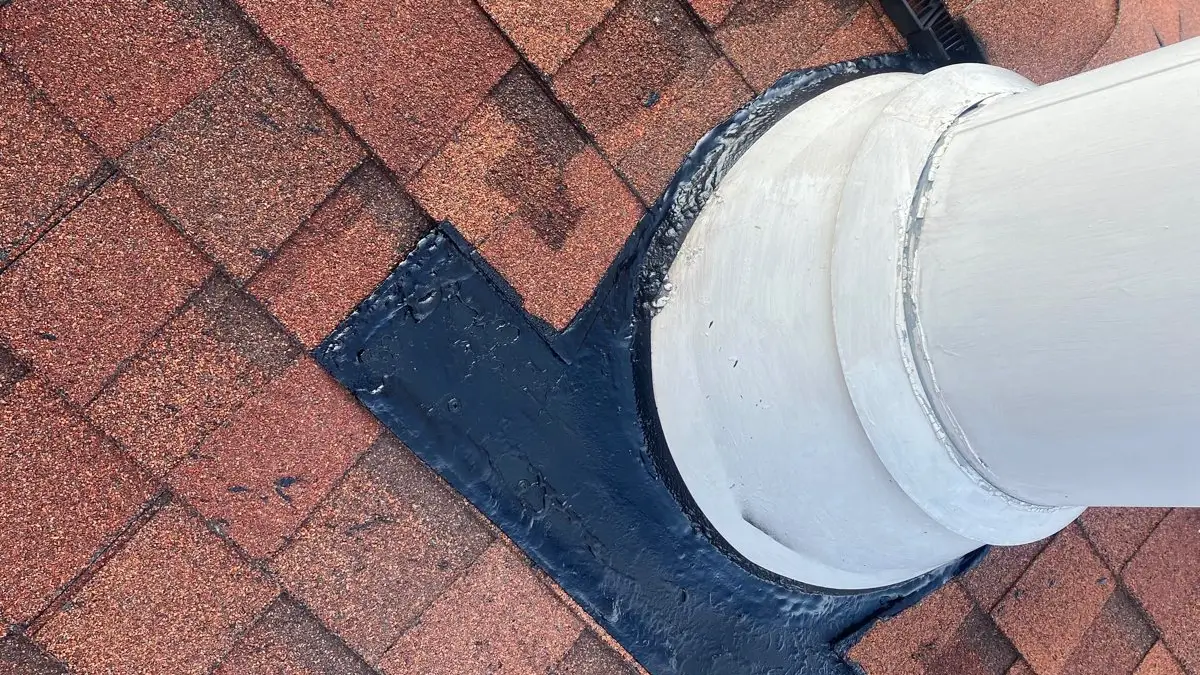
Flashing is the layered metal that seals the joint between the chimney and the shingles. Step flashing runs under the shingles; counter flashing is cut into the mortar joints and laps over it.
It fails three ways in Arlington. Clay soil movement opens the joint a little more each year. Heat dries the sealant until it cracks. And roof replacements after hail season are a big one: the new shingles go on, the old counter flashing gets reused or just caulked to the brick, and the first real storm finds the gap. The clue is a stain on the ceiling or wall beside the chimney, usually on the uphill side, after wind-driven rain. The fix is new step and counter flashing cut into the mortar, not another layer of caulk.
The Brick: When the Whole Chimney Is Soaking It Up
Brick and mortar are not waterproof. After decades of Texas sun and rain, the mortar joints open and the brick face softens. A hard rain soaks in, and the water shows up as a damp patch above the fireplace or as white, chalky streaks on the outside of the chimney. On the 1950s and 1960s chimneys in Old Arlington and near UTA, this often comes with missing mortar that needs repointing first.
The repair is tuckpointing where the mortar has failed, then a breathable chimney waterproofing sealer that keeps rain out while letting the brick dry. Painting or coating the brick with something that traps moisture makes it worse.
Sided Chimneys in Southwest Arlington: Check the Chase Cover
The larger homes in Southwest Arlington, around 76016 and 76017, mostly have factory-built fireplaces inside a wood-framed chase with siding on the outside and a metal chase cover on top. When the chase cover rusts, the center sags and holds water, or the storm collar at the vent pipe pulls loose, the leak shows up as rust streaks down the siding and drips inside the prefab firebox. A new stainless chimney chase cover with a proper slope ends it, and custom chase covers are 10% off.
Hail, Spring Storms and Your Insurance Claim
Tarrant County hail season runs March through June, and it is hard on chimneys. Hail cracks crowns, dents caps and chase covers, and wind lifts counter flashing out of the mortar. Storm damage like that is often covered by homeowners insurance. Slow wear from old sealant or soft mortar usually is not. The difference is proof.
That is why Crownline’s leak inspection includes dated photos from the roof of every part we check. Adjusters ask for exactly that. The Texas Department of Insurance storm resource page explains how to file and what to expect after a storm. Call your agent first, then call us for the inspection and the photos. If a roofer is already on the job, have them call us before the new shingles go on so the counter flashing gets done right the first time.
What Happens on a Chimney Leak Call
- Roof-level inspection with photos. Flashing, crown, cap, brick, mortar joints and chase cover, plus a look in the attic and the firebox for the water path.
- A plain answer on where the water gets in. If it is the crown and not the flashing, we say so instead of selling flashing.
- A free written estimate for the repair that fixes the source, listed part by part so you can see what each piece costs.
- The repair, on a dry day, with photos when it is done.
Seniors, veterans and first responders get 10% off, one discount per job. Crownline Chimney Sweep is based at 700 Highlander Blvd near the Parks Mall and I-20, with a crew that has worked on Arlington roofs and chimneys for more than 20 years. We are insured and bonded, which matters on roof work, and every leak repair is part of our chimney services in Arlington.
Ceiling stain after the last storm? Call Crownline at (817) 505-4222 for a leak inspection and a free written estimate before the next one.
Why Arlington Homeowners Trust Crownline Chimney Sweep
Crownline Chimney Sweep is a chimney and fireplace company based in Arlington, TX.
- Insured & Bonded: Your home is covered while we work
- Locally Owned: Based in Arlington, TX, not a chain
- 20+ Years: More than 20 years working on Arlington homes
- Free Repair Estimates: Written price before any repair, and 10% off for seniors, veterans and first responders
Read more about our chimney services in Arlington or about our team.