
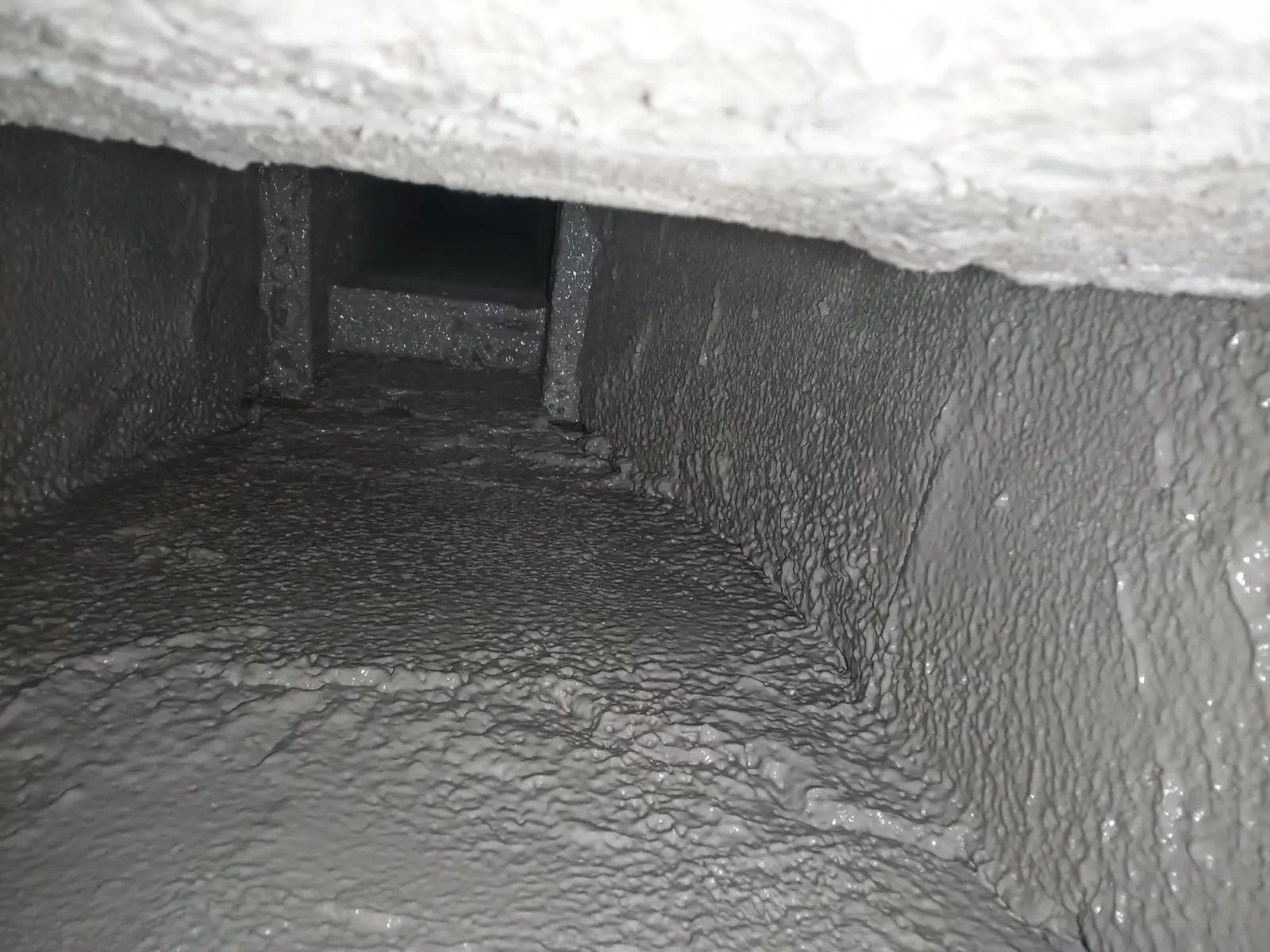
A homeowner near Lake Arlington called in August about a smell. Every humid afternoon the living room smelled like a wet campfire, and a flashlight up the flue showed a black, shiny coating above the damper. That is glazed creosote, and it is not a smell problem, it is a fire problem. Creosote removal in Arlington, TX from Crownline Chimney Sweep starts with a camera look to grade the stage, and stage 1 and stage 2 buildup comes out in our $109 first-visit sweep with a Level 1 inspection and photo report (regular $229). Glazed stage 3 creosote needs special tools or a chemical treatment, and we quote that in writing after you see the photos.
Crownline Chimney Sweep is a local chimney company at 700 Highlander Blvd in Arlington, near the Parks Mall and I-20. Our crew has cleaned creosote out of Arlington chimneys for more than 20 years, we are insured and bonded, and we are the local chimney company Arlington homeowners trust because the camera photo comes before the price.
What Creosote Is and Why It Builds Up in Arlington Chimneys
Creosote is the tar left behind when wood smoke cools and condenses on the inside of the flue. Every wood fire makes some. How much sticks depends on three things: how wet the wood is, how hot the fire burns and how cold the flue is. Wet wood, a smoldering fire and a tall exterior chimney on a cold night make the most creosote.
Arlington gets a lot of all three. Firewood sold off a truck on Division St or Pioneer Pkwy is often not dry. Many homeowners burn with the damper half closed to keep the room warm. And the 1950s to 1980s brick chimneys in Old Arlington, Dalworthington Gardens and Pantego run up an exterior wall, so the flue stays cold and the smoke condenses fast. The EPA Burn Wise program covers how dry wood and a hot fire cut creosote, and it is the best free advice we can give a wood burner in Arlington.
The Three Stages of Creosote
Every creosote removal in Arlington starts with a camera up the flue, because the stage decides the tool and the price.
Stage 1: light soot. A dusty, flaky black coating. It brushes off with rods and a brush or a rotary head. This is what we find in most Arlington fireplaces that get a yearly sweep. It comes out in the regular sweep.
Stage 2: hard flakes. Crunchy, tar-like flakes stuck to the tile, like black cornflakes. It takes a rotary brush and more passes, but it comes off. Common in fireplaces that skipped a year or two. Still part of the regular sweep.
Stage 3: glazed creosote. A shiny, hard, tar-like glaze baked onto the flue. Brushes slide over it. This is the stage that feeds chimney fires, and it needs either a chemical treatment that breaks the glaze down over a few fires or a rotary chain system that chips it off. We find it most often in fireplaces that burn every night, in wood stove and insert flues, and in chimneys that have gone three or more winters without a sweep.
The camera photo tells you which stage you have. If the flue is stage 1 or 2, the $109 visit covers it. If there is glaze, you see the photo and a written price before anything changes.
How Crownline Removes Creosote, Step by Step
- Protect the room. Drop cloths from the door to the hearth, firebox sealed, HEPA vacuum running the entire time. Creosote dust stays in the vacuum, not the carpet.
- Camera look and grading. We photograph the flue and show you the stage.
- Stage 1 and 2 removal. Rods and brushes or a rotary head sized to the flue. A clay tile flue in a 1960s brick chimney gets a different head than the metal flue in a Southwest Arlington prefab fireplace, which needs a soft brush so the liner is not damaged.
- Smoke chamber, smoke shelf and damper. This is where the heaviest buildup collects, and it is what a quick-brush job skips. We scrape and vacuum it.
- Glazed creosote, if present. Either a chemical treatment that you burn with over several fires, followed by a return visit to sweep out the loosened glaze, or a rotary chain system that removes it in one visit. The right method depends on the tile condition, and the camera decides.
- After photos. A second set so you can compare.
- Level 1 inspection and photo report. Flue, crown, cap, flashing and masonry, each with a photo and a plain note, with a free written estimate for any chimney repairs. If an old chimney fire cracked a tile, this is where you find out, and the fix is on our chimney liner installation page.
Most stage 1 and 2 jobs take 45 to 90 minutes. Glazed removal takes longer or two visits, and we tell you which before we start.
Signs Your Arlington Chimney Needs Creosote Removal
- A campfire smell in the house, strongest on humid summer days or when the air conditioner runs.
- Black flakes or chunks in the firebox. That is creosote breaking loose.
- A shiny black coating above the damper when you look up with a flashlight.
- Smoke rolling into the room when you light a fire. The buildup is choking the draft.
- A weak fire that will not draw, even with dry wood.
- A past chimney fire, even a small one. A roar, dense smoke from the top, or puffy, expanded flakes in the firebox are the tells.
- Three or more winters without a sweep.
The NFPA 211 standard says to sweep when creosote reaches 1/8 inch. In most Arlington homes that burn through the winter, that is once a year, before the first cold front.
Creosote Removal Cost in Arlington
Crownline publishes the price so you can compare. Stage 1 and stage 2 creosote removal is part of the $109 first-visit chimney sweep with a Level 1 inspection and photo report. The regular price for that visit is $229. Glazed stage 3 creosote is quoted in writing after the camera look, because the price depends on how much of the flue is glazed and which method the tile condition allows.
For comparison, Brown Chimney, a DFW company that publishes its prices, lists chemical treatment for heavy buildup starting at $1,500, quoted separately from the sweep. Homeowners on the Dallas and Fort Worth forums warn each other that a cheap sweep can turn into a four-figure creosote quote with no photo to back it up. Our rule is simple: the photo first, the written number second, and you decide. Full details are on our chimney sweep cost page.
Seniors get 10% off, and so do veterans and first responders. We match written quotes from insured companies. One discount per job.
How to Slow Creosote Buildup Between Sweeps
- Burn dry wood. Seasoned a year or more, under 20% moisture. A $20 moisture meter pays for itself.
- Burn hot. Small, hot fires make less creosote than a big, smoldering log pile. Open the damper all the way.
- Skip the trash. No cardboard, wrapping paper or treated lumber.
- Keep the cap on. Rain in the flue makes creosote sticky and smelly. A chimney cap keeps water and animals out.
- Sweep yearly. Stage 1 is a 45-minute job. Stage 3 is a two-visit job.
Why Arlington Homeowners Choose Crownline for Creosote Removal
- A real Arlington office at 700 Highlander Blvd. Call (817) 505-4222 and a person answers 7 days a week, 7 AM to 10 PM.
- A local crew with more than 20 years in Arlington homes, from the cold exterior flues in Old Arlington to the metal liners in Southwest Arlington prefabs.
- Insured and bonded.
- The camera photo comes before the price. You see the stage. Nobody sells you a glazed-creosote treatment for a stage 1 flue.
- Published prices and a written quote for anything beyond the sweep.
- A photo report on every visit, before and after.
That is why we call Crownline the best chimney company in Arlington: each point on that list is something you can check.
Related Chimney Services in Arlington
Creosote removal is one part of the chimney cleaning and repair services we offer across Arlington:
- A yearly chimney sweep so buildup never reaches stage 3.
- A chimney inspection, including a Level 2 after a chimney fire.
- Chimney liner installation when a past fire has cracked the clay tiles.
- Damper repair when the summer smell is coming through a damper that will not seal.
Call (817) 505-4222 or use the form on this page. If you smell creosote now, the fix is faster and cheaper than it will be after another winter of fires.