The 3 Stages of Creosote Buildup: What Each One Looks Like and What It Takes to Remove
Every wood fire leaves creosote in the chimney, and it builds in three stages. Here is what each stage looks like when our camera goes up an Arlington flue, which stage starts chimney fires, what removal involves, and how to keep your chimney at stage 1.
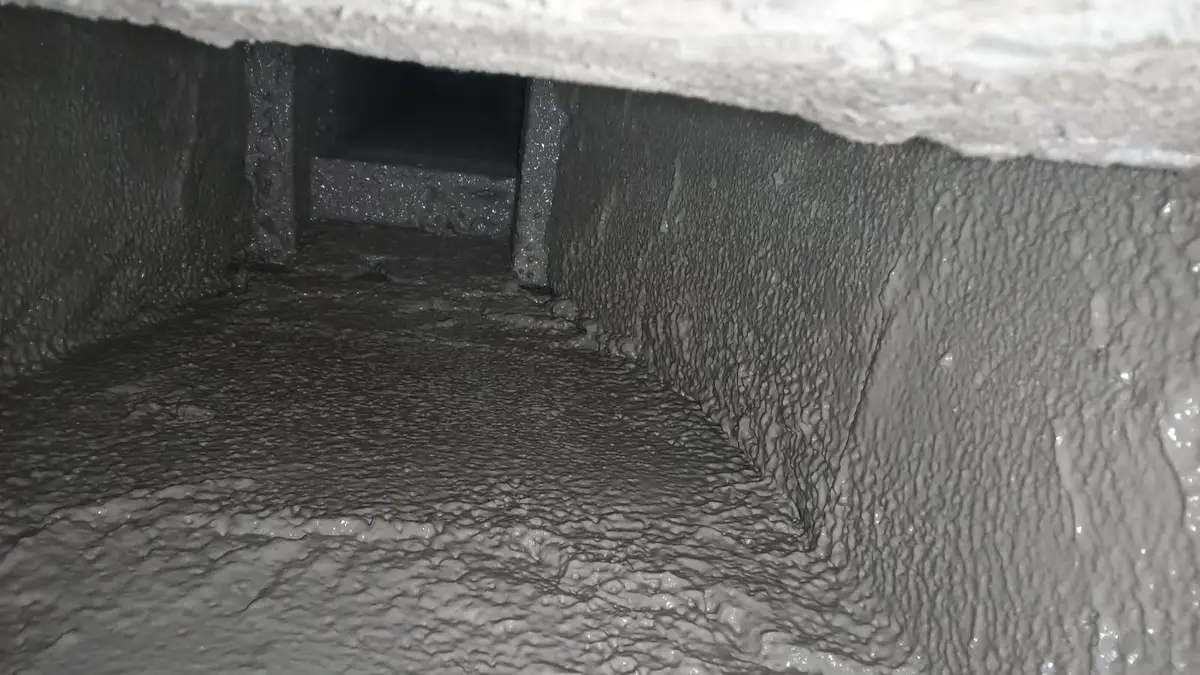
A homeowner in Dalworthington Gardens called in late September to get the fireplace ready for the first cold front. The last sweep was “three or four years ago, maybe.” When our camera went up the flue, the tiles were coated in a black, shiny glaze with drips running down them like tar. The homeowner asked the question we hear every fall: what is this stuff, and how bad is it?
That stuff is creosote, and how bad it is depends on which of the three stages of creosote buildup you have (sweeps also call them first-, second- and third-degree creosote). The short answer: stage 1 and stage 2 come out in a normal chimney sweep, and Crownline’s first-visit sweep in Arlington is $109 with a Level 1 inspection and photo report (regular $229). Stage 3, the glaze, needs special tools or a chemical treatment and is quoted in writing after you see the camera photo. Here is what each stage looks like, why the third one matters, and how to keep your chimney out of it. Our creosote removal page covers the service itself.
What Creosote Is and How It Forms
Wood never burns completely; every fire is incomplete combustion. The smoke that goes up the flue carries unburned wood particles, water vapor and tar. As the smoke rises, it cools. When it cools enough, those particles and tars condense on the walls of the flue. That residue is creosote. It is a byproduct of burning wood, it is flammable, and it builds up a little with every fire.
Three things make it build faster: wet or unseasoned wood (more smoke, more water vapor), a cool flue (an exterior masonry chimney on a cold night, or a wood stove that runs low and slow), and a restricted draft (a damper that is half closed, glass doors kept shut, or an oversized flue that never gets hot). Arlington’s older brick chimneys sit on the outside wall of the house, which keeps the flue cool, and that is why the 1950s to 1980s homes near UTA and in Old Arlington build creosote faster than the interior chimneys in newer homes.
Stage 1 Creosote: Dusty Soot
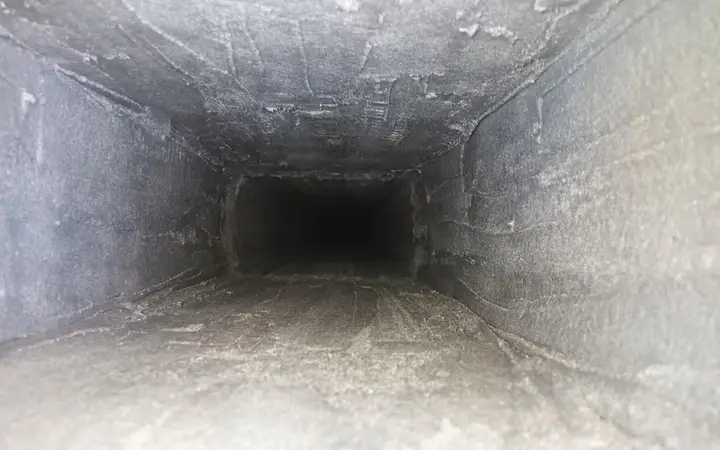
What the camera shows: a dull, matte black coating on the flue tiles, like soot on a candle jar. It looks flat and powdery, and you can see the tile joints through it.
How it comes out: easily. A chimney brush on rods or a rotary brush sized to the flue takes it off in one pass, and it falls to the smoke shelf where the vacuum picks it up.
What it means: this is a normal chimney after a season of burning dry wood. If a yearly sweep finds stage 1 and nothing more, you are doing everything right. The $109 first-visit sweep covers it, and most Arlington fireplaces that get swept every fall never leave this stage.
Stage 2 Creosote: Hard Black Flakes
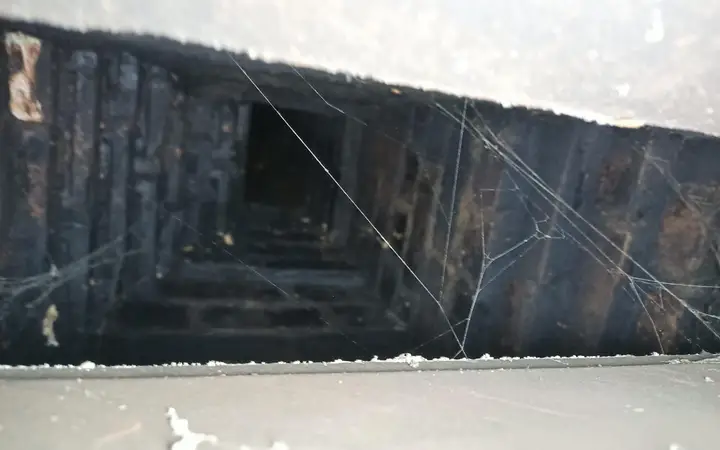
What the camera shows: a thicker, crusty layer. The surface is bumpy and flaky, like black cornflakes or dried mud stuck to the tile. Chunks break off and land in the firebox, which is often the first thing a homeowner notices.
How it comes out: it takes work, but it comes out. A rotary brush head on flexible rods breaks the flakes loose, and a stubborn flue may need a second pass. It still falls into the $109 first-visit sweep.
What it means: the chimney has gone a season or two past due, or the wood has been wet, or the fireplace burns a lot. Stage 2 is the warning stage. It is already flammable, and it is where the smell comes from on humid summer days. If the sweep finds stage 2, plan on a yearly sweep from here on and look at how the wood is stored.
Stage 3 Creosote: The Glaze
What the camera shows: a shiny, hard, black coating that looks like tar, dried paint or glass; this type of creosote hardens onto the tile as it bakes. Sometimes it has drips frozen in place, running down the inside of the chimney. Sometimes it is puffy and honeycombed, which means the chimney has already had a small fire in it.
How it comes out: not with a brush. Brushes slide over glaze. There are two methods. A chemical creosote remover, a powder or spray applied to the glaze, changes its chemistry so it loses its bond to the tile and turns brittle over a few fires. The sweep then comes back and brushes out what has let go. Or a rotary chain system, which spins steel chains inside the flue and chips the glaze off the tile in one visit. The chain method is faster but hard on cracked tiles, so the camera decides which one is safe for your flue.
What it means: the chimney is a fire risk and should not be used until the glaze is dealt with. Stage 3 glaze is concentrated fuel coating the inside of a pipe that runs through your house. A hot fire, an ember or a spark can ignite it, and a chimney fire burns at temperatures high enough to crack clay tiles and reach the framing.
What Each Stage Costs to Remove in Arlington
Crownline publishes the sweep price so you can compare. Stage 1 and stage 2 creosote removal is part of the $109 first-visit chimney sweep with a Level 1 inspection and photo report. The regular price for that visit is $229. Both stages are a normal sweep, and the camera photos before and after are part of it.
Stage 3 glazed creosote is quoted in writing after the camera look, because the price depends on how much of the flue is glazed, which method the tile condition allows, and whether it takes one visit or two. For comparison, Brown Chimney, a DFW company that publishes its prices, lists chemical treatment for heavy buildup starting at $1,500. We show you the photo first and the written number second, and nobody sells you a glaze treatment for a stage 1 flue. If the camera also finds cracked tiles from a past chimney fire, that becomes a chimney liner conversation with its own written estimate. Seniors, veterans and first responders get 10% off, one discount per job.
How to Keep Your Chimney at Stage 1
- Burn dry, seasoned wood. Split, stacked and dried for a year or more, under 20 percent moisture.
- Burn hot, not smoldering. Small, hot fires with the damper fully open make less smoke than a big log pile burning low overnight. Smoldering is how glaze forms.
- Keep the damper open all the way while the fire burns, and open the glass doors so the fire gets air.
- Wood stoves and inserts need extra attention. Their flue gases run cooler and they build creosote faster. See wood stove cleaning for how we handle them.
- Sweep once a year. The U.S. Fire Administration tells homeowners to have chimneys cleaned and inspected each year by a professional, and the yearly chimney inspection is where stage 2 gets caught before it becomes stage 3.
Crownline Chimney Sweep is based at 700 Highlander Blvd near the Parks Mall and I-20, with a crew that has worked on Arlington chimneys for more than 20 years. We are insured and bonded, every sweep comes with the camera photos, and the price is in writing before we start. Creosote removal at every stage is part of our chimney services in Arlington, and the camera decides which stage you have before anyone talks price.
Not sure which stage is up your flue? Call Crownline at (817) 505-4222 and book the $109 sweep and inspection before the first cold front.
Why Arlington Homeowners Trust Crownline Chimney Sweep
Crownline Chimney Sweep is a chimney and fireplace company based in Arlington, TX.
- Insured & Bonded: Your home is covered while we work
- Locally Owned: Based in Arlington, TX, not a chain
- 20+ Years: More than 20 years working on Arlington homes
- Free Repair Estimates: Written price before any repair, and 10% off for seniors, veterans and first responders
Read more about our chimney services in Arlington or about our team.