Dryer Takes Two Cycles to Dry? Check the Vent Before You Buy a New Dryer
Towels come out damp after a full cycle, the laundry room feels like a sauna, and the top of the dryer is hot. In most Arlington homes the dryer is fine and the vent is clogged with lint. Here is how to tell the difference, why two-story attic runs clog fastest, and what an $89 cleaning fixes.
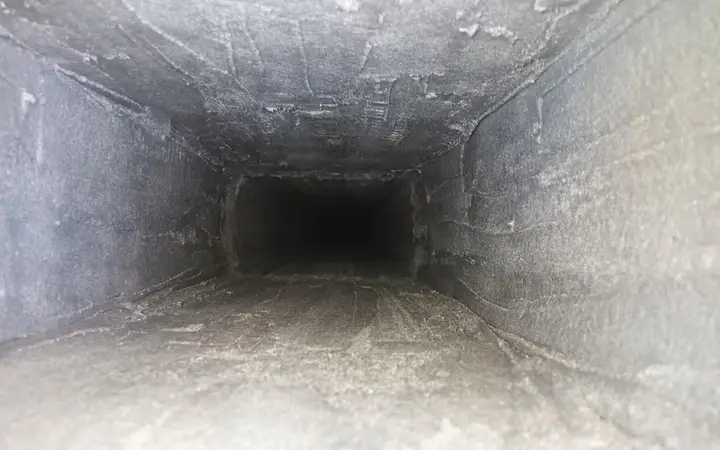
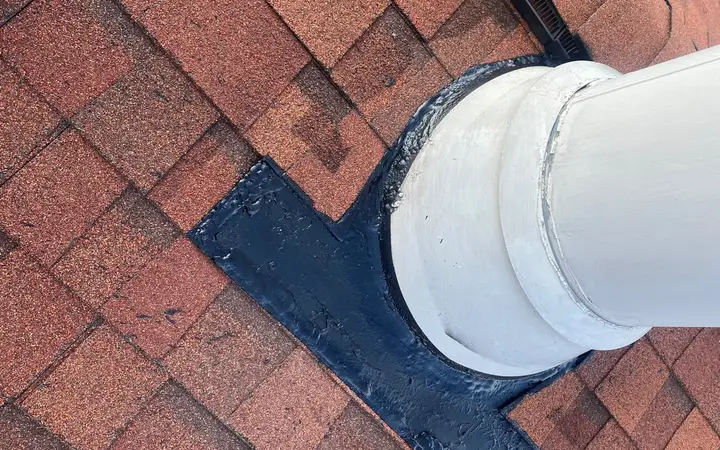
The dryer in a two-story house off Matlock Road in Southwest Arlington takes two cycles to dry a load of towels. The laundry room upstairs feels like a sauna when it runs. The top of the dryer is hot enough to warm your hand. The homeowner has blamed the dryer for a year and is pricing a new one. The dryer is fine. The vent runs 28 feet through the attic to a cap on the roof, it has three elbows, and nobody has cleaned it since the house was built.
That is the story behind most “dryer takes two cycles to dry” calls Crownline Chimney Sweep takes in Arlington. The short answer: a dryer that runs hot but leaves clothes damp almost always has a clogged vent, not a broken dryer, and dryer vent cleaning in Arlington is $89 on a basic run. Here is how to tell which one you have, and why the vent matters for more than your electric bill.
How a Dryer Dries, and Why Airflow Is Everything
A dryer does two things: it heats air, and it pushes that air through the wet clothes and out the vent. The heat pulls the water out of the fabric; the airflow carries the wet air away. Take away the airflow and the heat has nowhere to go. The drum fills with hot, wet air, the clothes stay damp, and the dryer’s thermostat cycles the heating element on and off to keep from overheating. The cycle ends, the towels are still wet, and you run it again.
That is why a clogged vent looks exactly like a dryer that has lost its heat. The difference is simple: a clogged vent makes the dryer run hot. A failed heating element makes it run cool.
Five Reasons a Dryer Takes Two Cycles to Dry
In the order we find them in Arlington laundry rooms:
- Lint in the vent. The duct from the back of the dryer to the outside is full of lint. Every elbow catches more, and the cap outside is the last place it piles up. This is the cause in most homes.
- A kinked or crushed transition hose. The flexible hose behind the dryer gets squashed when the dryer is pushed back against the wall. Foil accordion hose is the worst for this; it sags, traps lint in every ridge and crushes flat.
- A clogged lint filter. Clean the lint trap every load, and wash the screen with soap and water every few months. Dryer sheets leave a film that blocks airflow even when the screen looks clean.
- A blocked or stuck vent cap. The flap outside rusts shut, a bird builds a nest in it, or lint cakes the screen. Go outside while the dryer runs and look.
- A worn dryer part. A heating element, thermostat or thermal fuse on an electric dryer, or an igniter or gas valve on a gas dryer. This is the appliance repair case, and it is the least common of the five.
Try the first four before you call an appliance repair company or shop for a new dryer. A new dryer hooked to a clogged vent will take two cycles on its first day, whether it is a Whirlpool, an LG or a Kenmore.
The Quick Airflow Test You Can Do Today
Start the dryer on high heat with a damp load. After three minutes, walk outside to the vent cap, which is on the wall behind the laundry room in a one-story home and on the roof in most two-story homes. Hold your hand near it.
- Strong, warm air that pushes the flap wide open: the vent is clear. Look at the dryer.
- Weak air, barely warm, or the flap barely moves: the vent is clogged somewhere between the dryer and the cap.
- No air at all: the vent is blocked solid, the transition hose has come off behind the dryer, or the hose is crushed flat.
If the cap is on the roof and you cannot reach it, the other signs tell the same story: a hot dryer top, a humid laundry room, lint around the door seal, and dry times that have doubled from 45 minutes to 90.
Why Two-Story Arlington Homes Clog Fastest
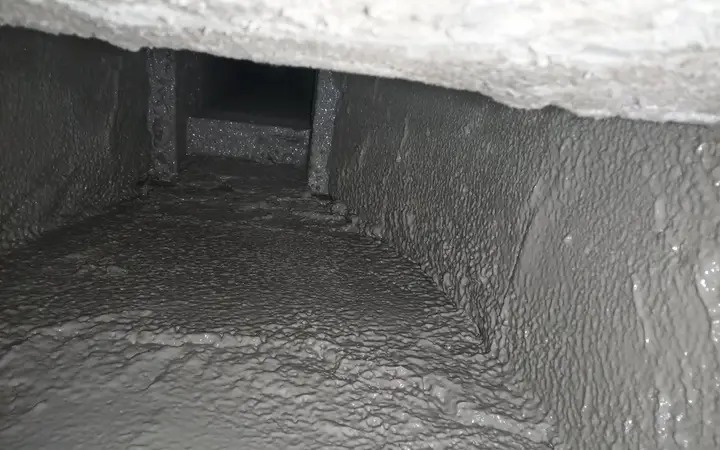
A dryer on an outside wall with a 3-foot vent pushes lint out easily. A dryer that vents 25 feet through an attic, up through the roof, with elbows at the wall, at the attic floor and under the roof deck, loses airflow at every turn, and lint settles in each elbow. That is the setup in most two-story homes built in Southwest Arlington, South Arlington and Viridian since the 1990s. In summer a North Texas attic sits at 130 degrees, which bakes the lint into the elbows until it is a solid plug.
The 1970s and 80s ranch homes in Dalworthington Gardens and Pantego have a different problem: the laundry room sits in the middle of the house, and the vent runs under the slab or up through the attic. These are the runs where a hardware-store cleaning kit stops after six feet and the clog is at foot twelve.
The Fire Risk Behind a Long Dry Cycle
A long cycle is an early warning, not just an annoyance. Lint is dry, fine and burns easily, and a clogged vent traps the dryer’s heat right next to it. The U.S. Fire Administration reports that failure to clean was the leading factor contributing to clothes dryer fires in homes from 2018 to 2020, at 31 percent of those fires. The lint inside the vent is the fuel, and the dryer’s own heating element is the ignition source when airflow drops and the temperature inside the drum climbs.
That risk goes up with the length of the run, which is why a yearly cleaning matters more on a two-story attic run than on a short wall vent.
What an $89 Dryer Vent Cleaning Includes
Crownline’s dryer vent cleaning in Arlington is $89 for a basic run up to 5 feet, and longer or attic runs are quoted in writing before we start. On the visit our crew:
- Pulls the dryer out and disconnects the transition hose.
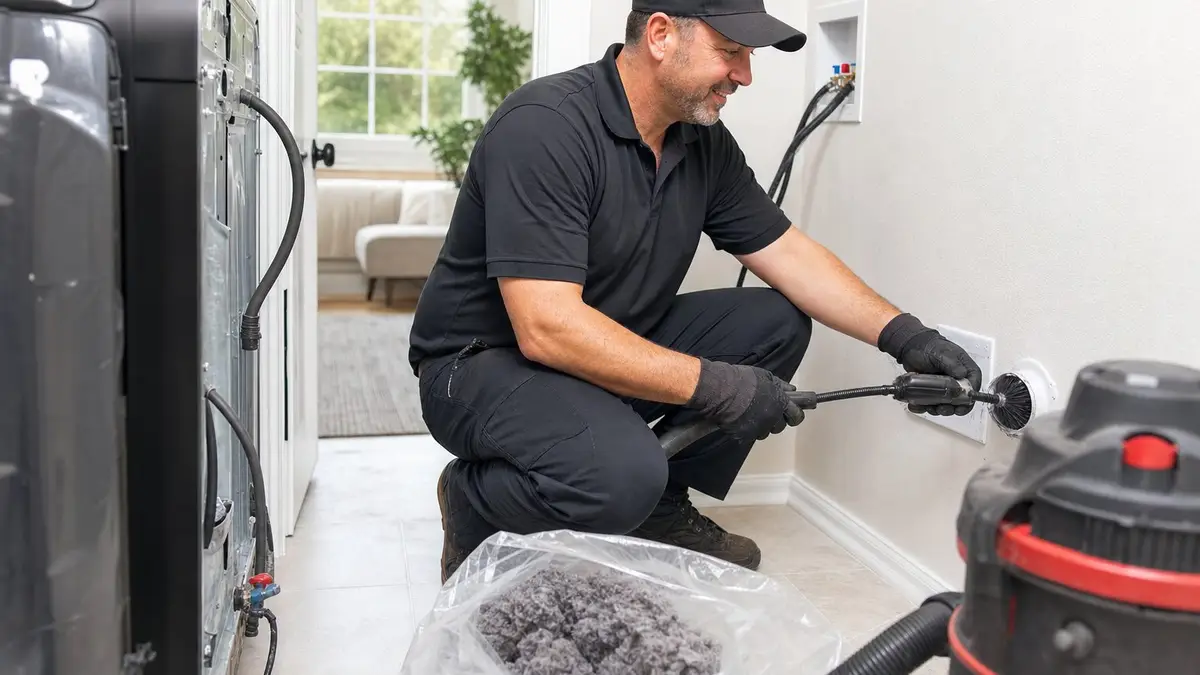
- Runs a rotary brush and vacuum through the whole duct, from the dryer to the cap, and clears the cap from outside or from the roof.
- Checks the transition hose and the attic duct. If it is crushed foil, you see the photo and get a written price for rigid or semi-rigid metal, and you decide.
- Reconnects everything and runs the dryer to test the airflow before leaving.
- Shows you a photo of the lint that came out.
Most basic runs take 30 to 45 minutes; attic runs take about an hour. The laundry room is left clean. Seniors, veterans and first responders get 10% off, one discount per job.
Because our crew spends its days on Arlington roofs, the roof cap gets cleared from both ends instead of pushed at from the laundry room. If you want the fireplace looked at in the same visit, our chimney sweep in Arlington, TX is $109 on the first visit with a Level 1 inspection and photo report, and since we are on the roof anyway, a gutter cleaning fits the same appointment.
Crownline Chimney Sweep is based at 700 Highlander Blvd near the Parks Mall and I-20, with a crew that has worked on Arlington homes for more than 20 years. We are insured and bonded, and the price is in writing before we start.
Still running the towels twice? Call Crownline at (817) 505-4222 and book an $89 dryer vent cleaning before you buy a new dryer.
Why Arlington Homeowners Trust Crownline Chimney Sweep
Crownline Chimney Sweep is a chimney and fireplace company based in Arlington, TX.
- Insured & Bonded: Your home is covered while we work
- Locally Owned: Based in Arlington, TX, not a chain
- 20+ Years: More than 20 years working on Arlington homes
- Free Repair Estimates: Written price before any repair, and 10% off for seniors, veterans and first responders
Read more about our dryer vent cleaning in Arlington or about our team.